
How to Start an Activewear Brand
Launching an activewear brand requires careful planning, particularly when it comes to performance fabrics and garment construction. Unlike many other apparel categories, activewear must balance comfort, durability, and technical performance. This guide outlines the key steps involved in developing an activewear collection and preparing it for manufacturing.
Before You Start: Define Your Activity Focus
Activewear covers a wide range of product categories — and the brands that perform best are specific about which one they are building for.
Some brands focus on:
- gym training and strength work
- yoga and Pilates
- running
- court sports such as padel and tennis
- everyday athleisure
Defining your focus shapes everything: fabric choice, compression level, seam placement, waistband structure, and the kind of imagery that sells the product. A legging built for heavy lifting is engineered differently to one designed for studio flow — even if they look similar on a hanger.
Most new activewear brands start with a small, focused collection of 4–6 pieces before expanding. A tight first range is easier to develop, easier to produce, and easier to sell through cleanly.
1. Research the Activewear Market
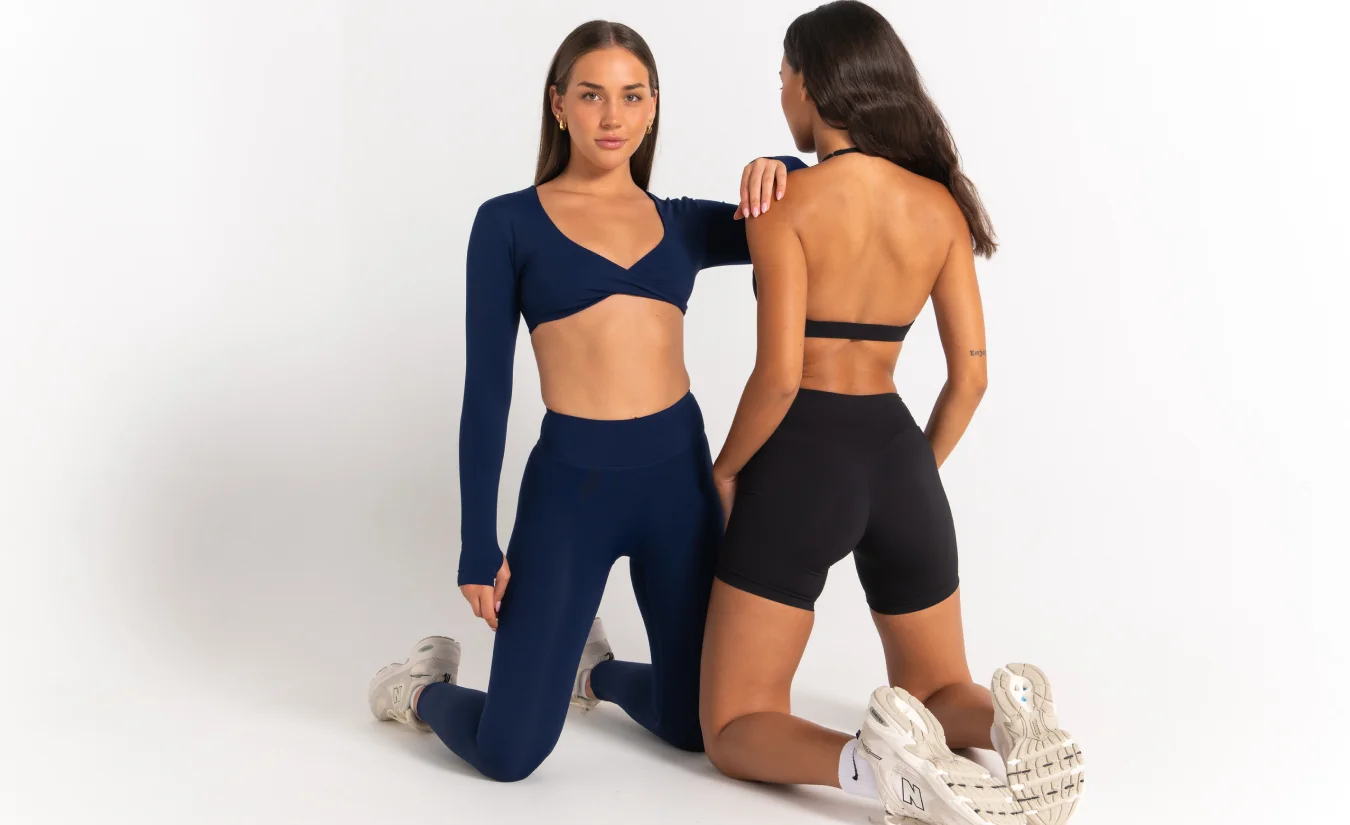
Activewear continues to expand globally as fitness and lifestyle trends grow. Key segments currently gaining momentum include:
- performance gym wear and strength training
- studio apparel for yoga and Pilates
- lifestyle athleisure
- emerging court sports such as padel
Understanding where your brand fits helps you position your collection correctly and avoid competing in an already crowded middle ground.
2. Design Your First Collection
Most new activewear brands start with a small collection of core pieces. Common starting styles include:
- leggings
- sports bras
- fitted tops or crop tops
- training shorts
Designing activewear requires close attention to technical details:
- seam placement and how seams affect comfort during movement
- stretch recovery — how the fabric returns to shape under repeated use
- waistband structure and whether it holds position during high-impact activity
- squat-proof opacity
- overall comfort during the intended movement
Technical decisions made at the design stage are much harder to correct in production. Getting these right during sampling saves significant time and cost.
3. Choose Performance Fabrics
Fabric performance is critical in activewear. Common fabric bases include:
- nylon-spandex blends — for compression, smooth finish, and durability
- polyester blends — for breathability and moisture management in high-sweat categories
- recycled performance fabrics — ECONYL® and REPREVE® are the two most requested sustainable options, both performing at the same level as virgin materials
When choosing fabrics, consider:
- compression level required for the activity
- breathability and moisture management
- squat-proof opacity
- durability under repeated washing and training
- sustainability credentials — increasingly important to buyers in the US, Australia, and Europe
We carry a full range of stock colours across our fabric bases, which means no wait times — production begins immediately after deposit for in-stock selections.
4. Develop Product Samples
Sampling is an essential stage in activewear development. Samples allow you to test:
- fit during actual movement
- fabric performance and recovery
- seam strength and comfort
- overall construction quality
With a thorough design handover — good reference images, clear notes on fit and fabric preferences — samples are typically correct in the first round. Minor adjustments, if needed, are made to the patterns rather than requiring full remakes. Sampling takes 2 to 4 weeks from design handover.
Brands using ready-to-order styles can often skip sampling entirely and move directly to bulk.
5. Understand Activewear Manufacturing Minimums
All manufacturers work with minimum order quantities. At Activewear Bali, our MOQs are structured as follows:
Custom Designs
300 pieces per order — 30 per style, 3 pieces per size and colour.
Example: 2 leggings, 3 sports tops, 1 pair of training shorts.
Ready-to-Order Designs
200 pieces per order — 30 per style, 3 pieces per size and colour.
Example: 2 legging styles, 1 shorts style, 3 top styles.
Top-Up Orders
After your initial bulk order, top-up MOQs reduce to 150 pieces — 30 per style, 5 per size and colour — using existing styles in our in-stock colours.
Volume Discounts
Discounts apply on orders above 2,000 pieces per PO, at 100 pieces per design and 10 pieces per size and colour. Contact us to discuss.
Using stock fabric colours simplifies ordering and avoids minimum fabric roll requirements, making it the most efficient route for a first collection.
6. Place Your Production Order
Once samples are approved, you are ready to place your bulk purchase order. Provide your style codes, fabric colours, size breakdowns, and any print specifications. We will confirm the details, issue your invoice, and begin production with a 50% deposit.
Production planning includes:
- final fabric and colour confirmation
- size grading and quantity breakdown
- quality control at multiple stages — fabric inspection, pre-production sample check, in-line QC, post-production inspection, and final packaging check
- DHL dispatch from Bali, with delivery in 2–5 business days from dispatch
Production turnaround: 3 to 5 weeks using in-stock colours and accessories. Custom colours or branded trims: timelines on request.
7. Prepare Your Brand Launch
While production is running, use the time to build your brand presence:
- set up your ecommerce store and product pages
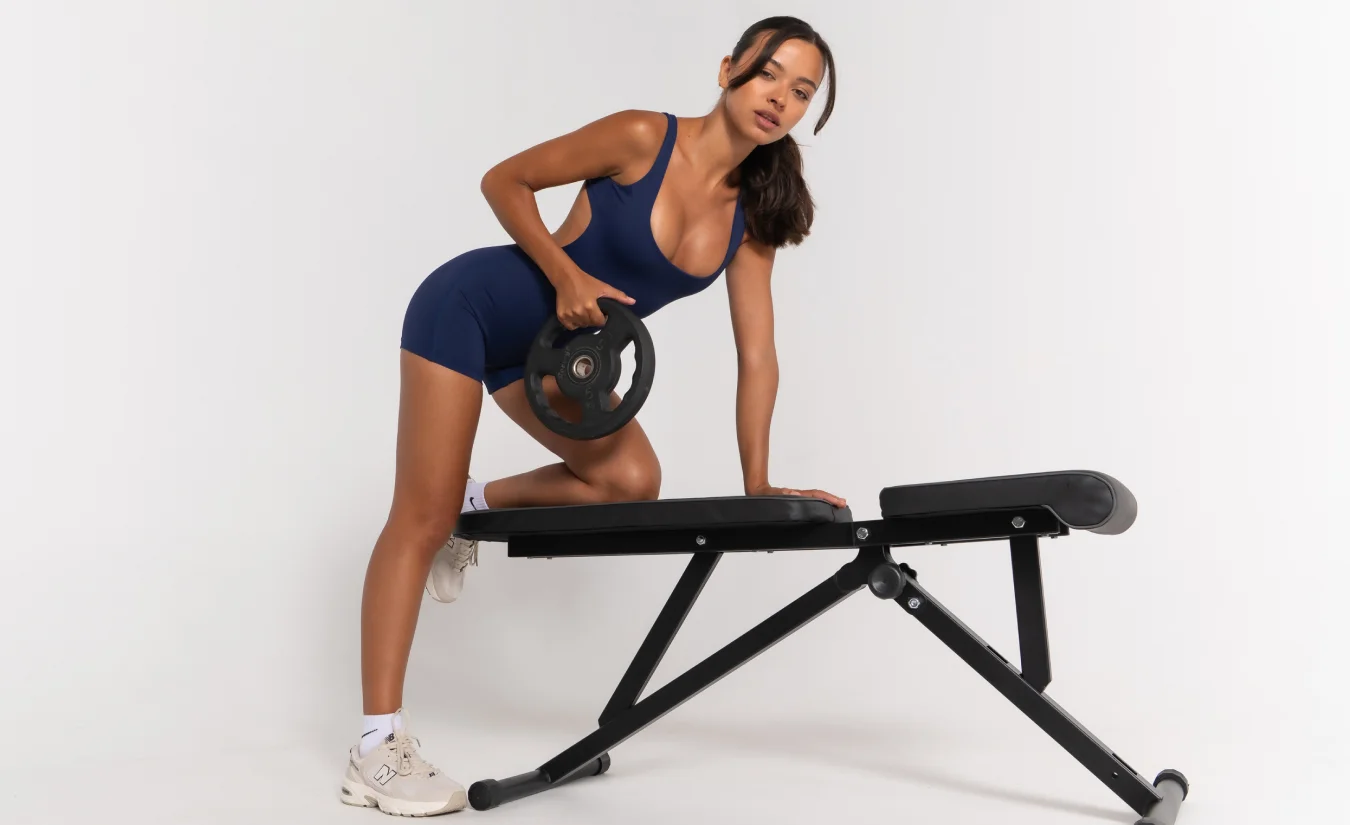
- arrange activewear-specific photography — movement shots that show compression, coverage, and fit in use are the most effective for conversion
- build your content calendar and social strategy ahead of stock arrival
- line up influencer or ambassador partnerships if relevant to your channel
Brands that launch with content ready sell faster. Don’t wait until boxes arrive to start building an audience.
Final Thoughts
Starting an activewear brand means balancing design creativity with technical performance requirements. The brands that grow are those that start with a clear activity focus, choose fabrics that match their movement category, and work with a manufacturer that understands how to engineer garments for real workouts — not just how they look on a rail.
Our team handles every stage in-house — from design handover and costing through sampling, custom branded accessories, production, QC, and DHL delivery to your door.