
How to Start an Activewear Brand
Launching an activewear brand requires careful planning, particularly when it comes to performance fabrics and garment construction.
Unlike many other apparel categories, activewear must balance comfort, durability, and technical performance.
This guide outlines the key steps involved in developing an activewear collection and preparing it for manufacturing.
1. Define Your Activewear Focus
Activewear covers a wide range of product categories.
Some brands focus on:
- gym training
- yoga and pilates
- running
- athleisure
- sport-specific apparel
Defining your focus helps guide fabric selection, design details, and product development.
2. Study the Activewear Market
Activewear continues to expand globally as fitness and lifestyle trends grow.
Key segments include:
- performance gym wear
- studio apparel for yoga and pilates
- lifestyle athleisure
- emerging sports such as padel
Understanding where your brand fits will help shape your collection.
3. Design Your First Activewear Collection
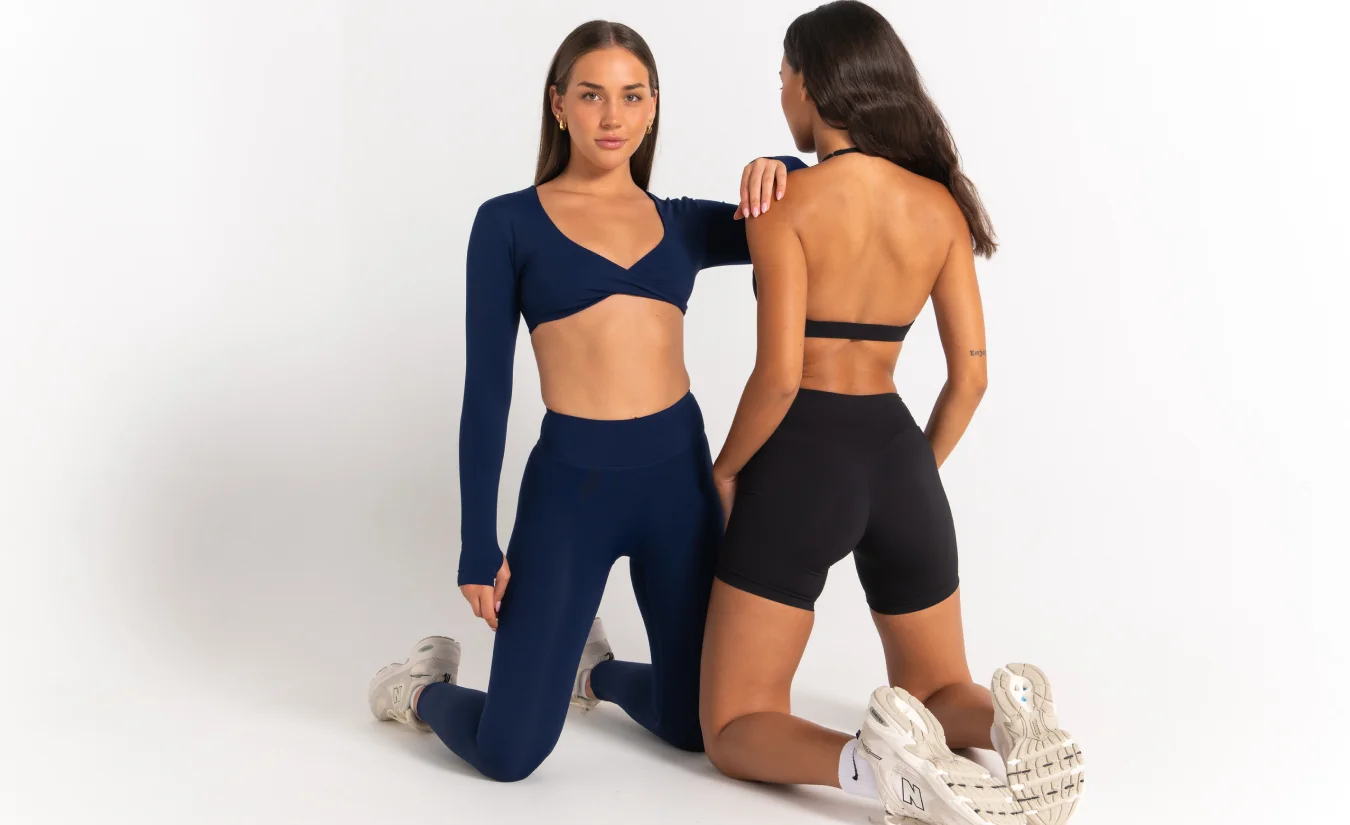
Most new activewear brands start with a small collection of core pieces.
Common starting products include:
- leggings
- sports bras
- fitted tops
- training shorts
Designing activewear requires attention to technical details such as:
- seam placement
- stretch recovery
- waistband structure
- comfort during movement.
4. Choose Performance Fabrics
Fabric performance is critical in activewear.
Common fabrics include:
- nylon-spandex blends for compression
- polyester blends for durability
- recycled performance fabrics
When choosing fabrics, consider:
- breathability
- moisture management
- compression levels
- durability during training.
5. Develop Product Samples
Sampling is an essential stage in activewear development.
Samples allow brands to test:
- fit during movement
- fabric performance
- seam strength
- overall comfort.
Multiple sample rounds are often required to perfect performance garments.
6. Understand Activewear Manufacturing Minimums
Manufacturers set minimum order quantities depending on:
- fabric choice
- colors
- number of styles
Using stock fabrics can help reduce minimums for early production runs.
7. Prepare Production
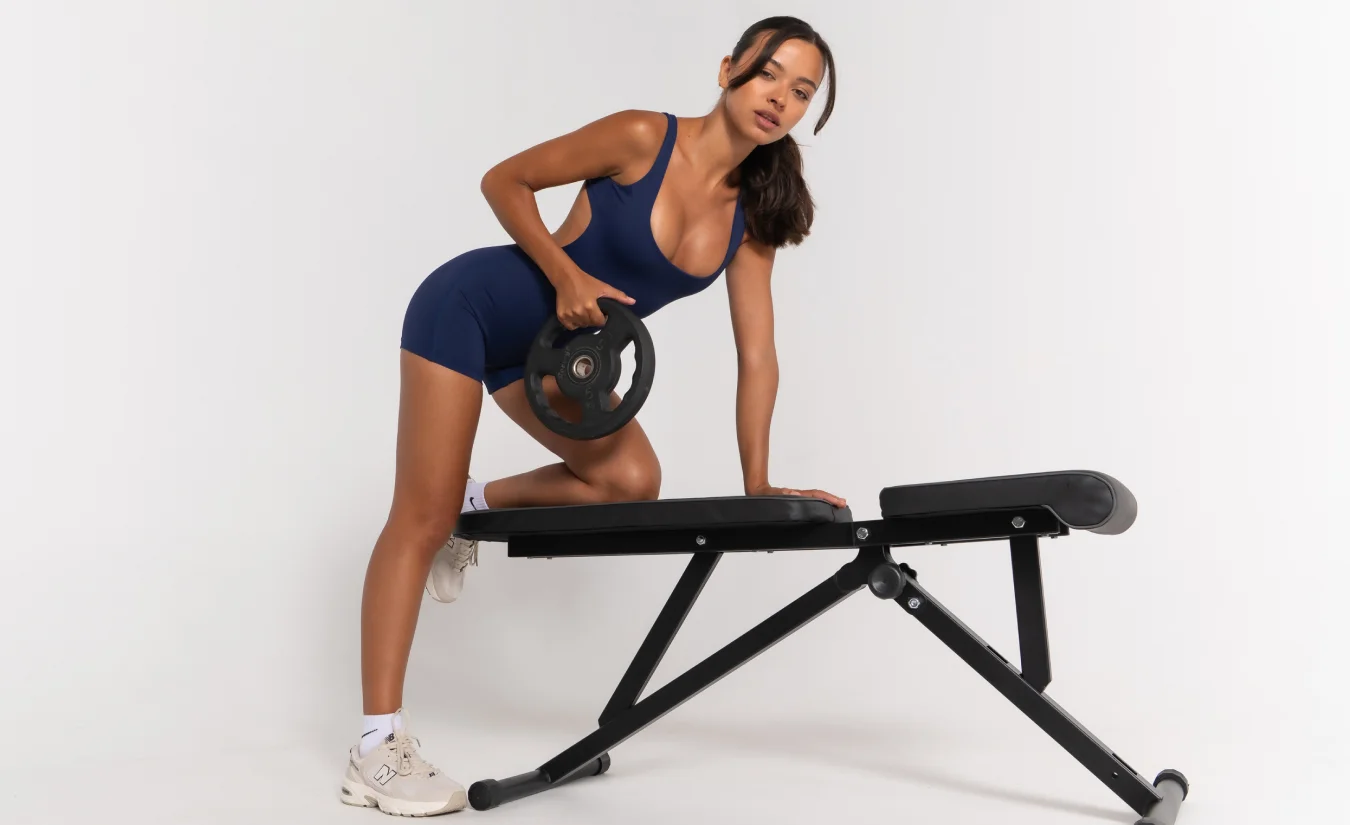
Once samples are finalized, the production process begins.
This includes:
- final sizing
- material approvals
- production planning
- quality checks.
A structured production process ensures consistency across all garments.
Final Thoughts
Starting an activewear brand involves balancing design creativity with technical performance.
By focusing on strong fabrics, well-engineered garments, and thoughtful production planning, brands can create activewear collections that perform well and resonate with their customers.