Why This Is a Strategic Moment to Build a Sustainable Activewear Brand
Activewear continues expanding across strength training, Pilates, yoga, racquet sports, and everyday athleisure. The market is active, but the brands gaining traction are those built with clear positioning and performance focus. Launching now allows founders to leverage specialised fabrics, improved pattern development, and activity-specific construction methods that were less accessible in the past.
Performance clarity separates strong brands
The most recognisable activewear labels define their use case clearly. Some focus purely on high-compression training wear. Others design for low-impact mobility and studio movement. Some bridge both with adaptable collections. What matters is alignment between fabric, fit, and intended activity.
Fabric decisions are based on movement demands
Technical knowledge is not required at the beginning. What matters is defining how the garment must perform. Key performance variables include:
Compression level
Stretch and recovery
Squat-proof opacity
Moisture management
Breathability under strain
High-impact training requires firmer support and reinforced seams. Studio wear demands flexibility and comfort. Court sports require durability and shape retention under repeated motion. When the movement category is clear, fabric selection becomes precise rather than overwhelming.
Fit engineering creates long-term loyalty
Many activewear silhouettes appear similar on a hanger. What differentiates brands is how garments perform once worn. Seam placement, waistband structure, panel contouring, and fabric weight all affect comfort and confidence. Allocating time for fit refinement and testing dramatically improves repeat purchase potential.
Cohesive ranges accelerate brand growth
Strong collections are built intentionally. Colours coordinate across multiple silhouettes. Compression levels are consistent within product categories. Visual identity remains stable across launches. This consistency makes marketing more effective and helps customers understand the brand quickly.
Professional presentation strengthens credibility
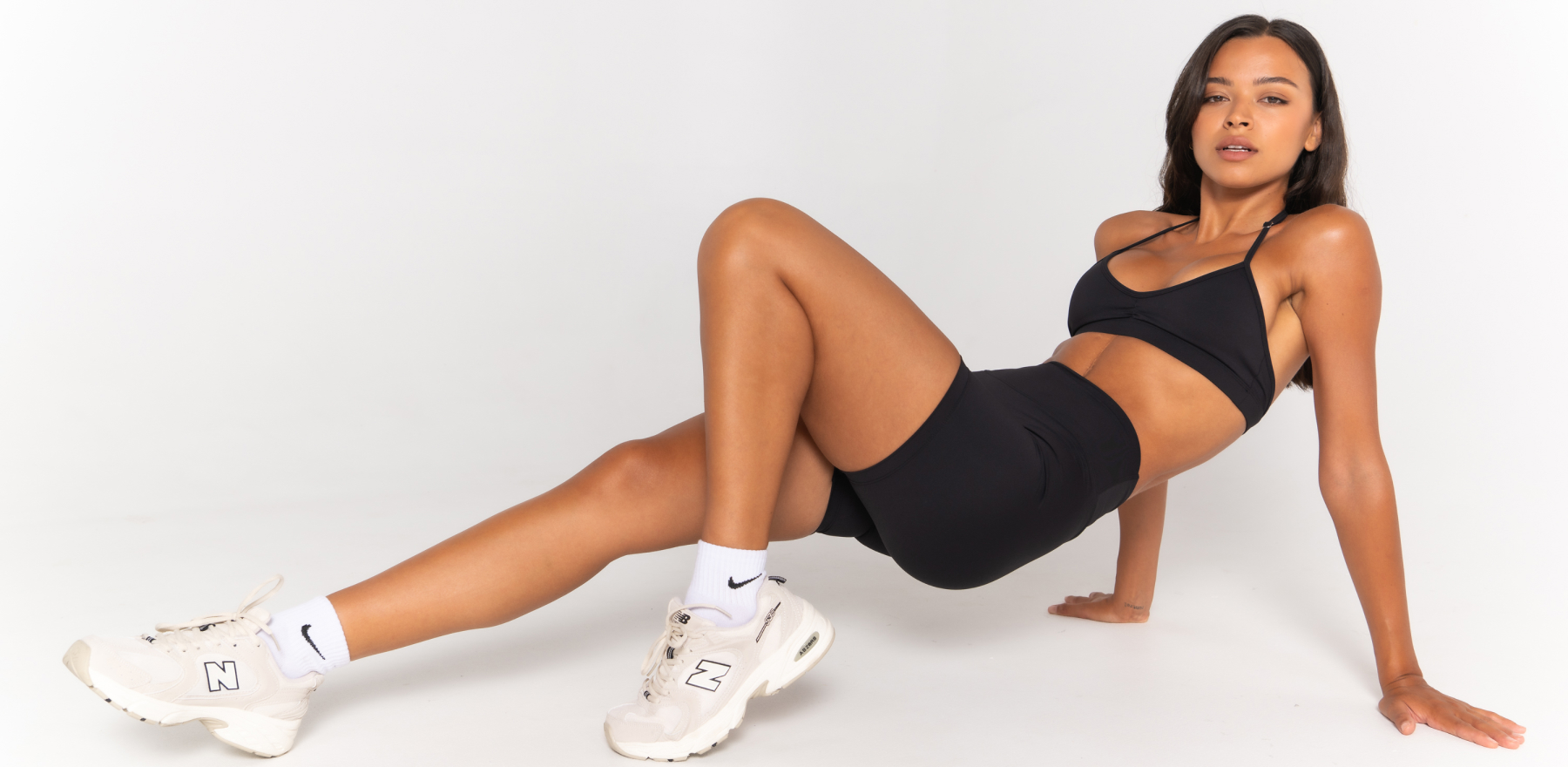
Activewear buyers assess stretch, coverage, and support through imagery. Clear photography that demonstrates movement, flexibility, and performance reduces uncertainty. Visual consistency signals reliability and quality.
Why now works
Performance fabric innovation has advanced. Sustainable blends are more widely available. Production systems are more structured and responsive. For founders who prioritise clarity, activity focus, and refinement, this is a strong time to establish an activewear brand with long-term positioning.